
Non-Compete, Non-Solicit, and Non-Disclosure Agreements
Restrictive covenant agreements – non-competes, non-solicitation agreements, and NDAs – are among the most commonly used and most frequently misunderstood documents in business.
Florida law on non-compete agreements is unique. Unlike many states that disfavor or outright prohibit them, Florida has a statute that permits non-compete agreements when they meet specific requirements. But “permitted” does not mean “automatically enforceable”. Courts in Florida look carefully at whether the agreement protects a legitimate business interest and whether the restrictions are reasonable in scope, geography, and duration.
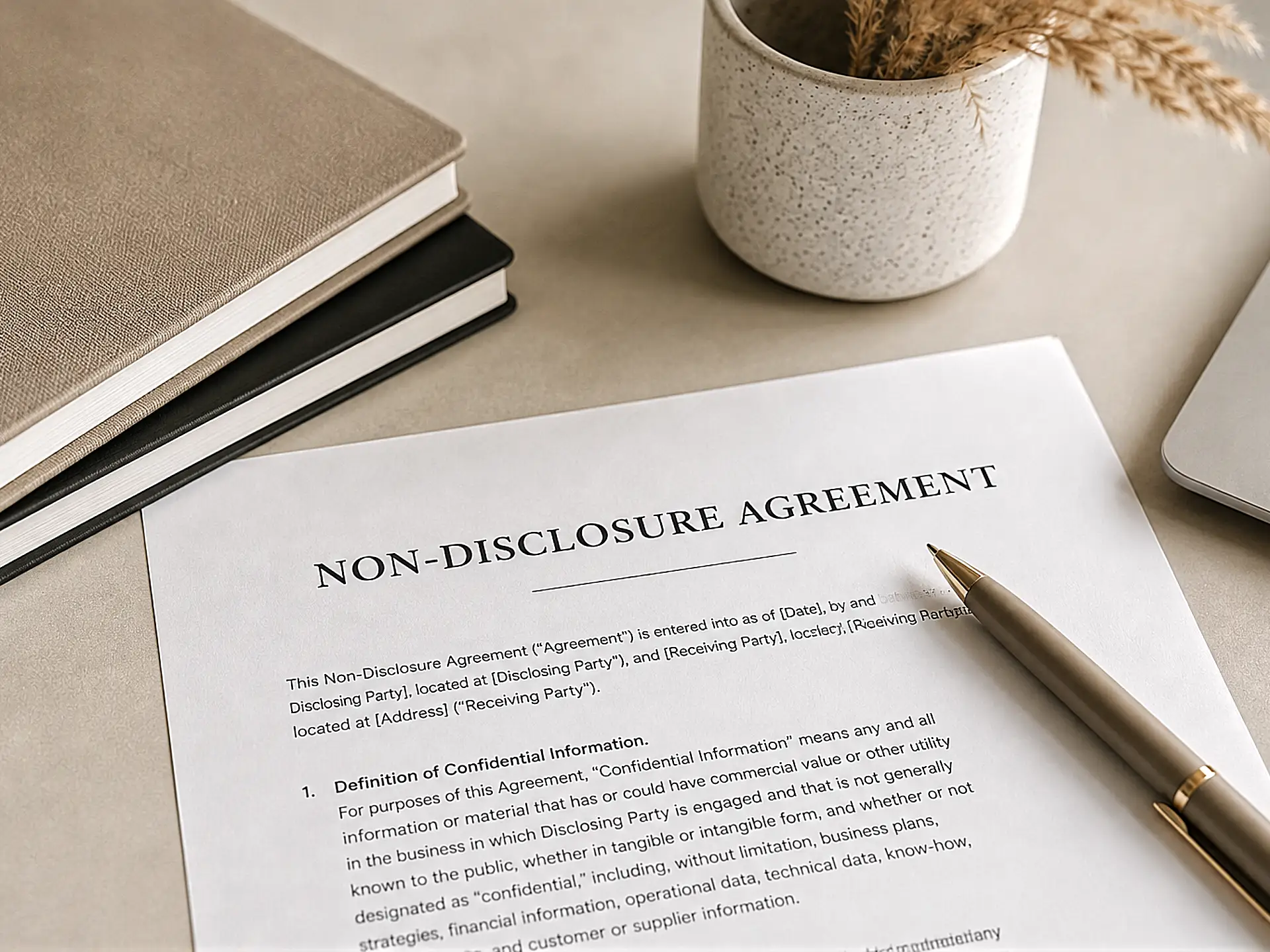
A non-disclosure agreement, or NDA, serves a different purpose. It protects confidential information – trade secrets, client lists, pricing, business strategies, or proprietary processes – from being shared or used inappropriately by the person receiving it. NDAs are commonly used when entering into negotiations, hiring employees or contractors, or sharing sensitive business information with a potential partner or investor. A poorly drafted NDA may leave your most valuable information unprotected or create obligations you did not intend to take on.
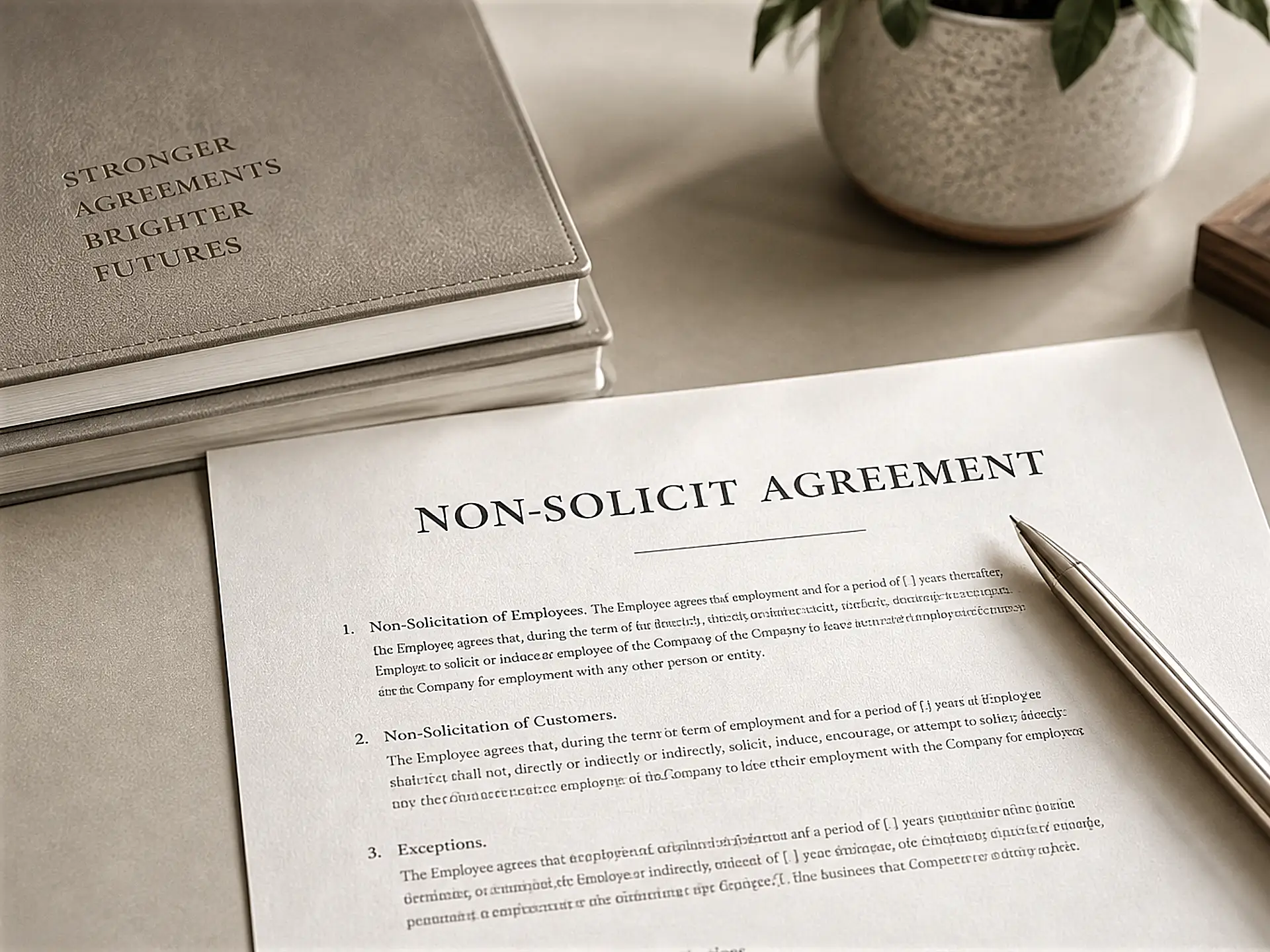
Non-solicitation agreements restrict a departing employee or contractor from approaching your clients or employees after they leave. Like non-competes, they need to be carefully drafted to hold up. Whether you are a business owner seeking to protect your client relationships and proprietary information, or someone who has been asked to sign a restrictive covenant, having an attorney review the document matters. These agreements carry real consequences — for the people who sign them and for the businesses relying on them. Given ongoing developments at the federal level regarding non-compete enforceability, this is also an area worth monitoring. If you have existing agreements that have not been reviewed recently, it may be time to take another look.
Related FAQs
Do non-compete agreements hold up in Florida?
Florida has a statute that permits non-compete agreements when they meet specific requirements, including protecting a legitimate business interest and being reasonable in scope, duration, and geography. Whether a specific agreement is enforceable depends on how it is drafted and the facts of the situation.
Do I need an attorney if I am using a business broker?
You don’t need one, but it is recommended. A business broker helps identify buyers or sellers and facilitates the transaction. An attorney reviews and drafts the legal documents that govern the deal — the letter of intent, the purchase agreement, the closing documents, and any ancillary agreements. These are different and complementary roles.