
Assignment and Assumption of Contracts
When a business is sold, the contracts it has with customers, vendors, landlords, and service providers do not automatically transfer to the new owner. Each contract that is intended to survive the sale must be formally assigned from the seller to the buyer — and in many cases, the other party to that contract must consent to the assignment before it is effective. The assignment and assumption of contracts is the legal mechanism that makes this transfer happen, and handling it correctly is one of the more detail-intensive parts of closing a business transaction.
An assignment and assumption agreement documents the transfer of a specific contract from the seller to the buyer, with the buyer assuming the obligations that come with it going forward. It typically requires the consent of the counterparty — the customer, vendor, or landlord on the other side — and that consent process needs to be managed carefully. Some counterparties consent without issue. Others use the transition as an opportunity to renegotiate terms, add conditions, or in some cases decline to consent, which can affect the value or feasibility of the transaction itself.
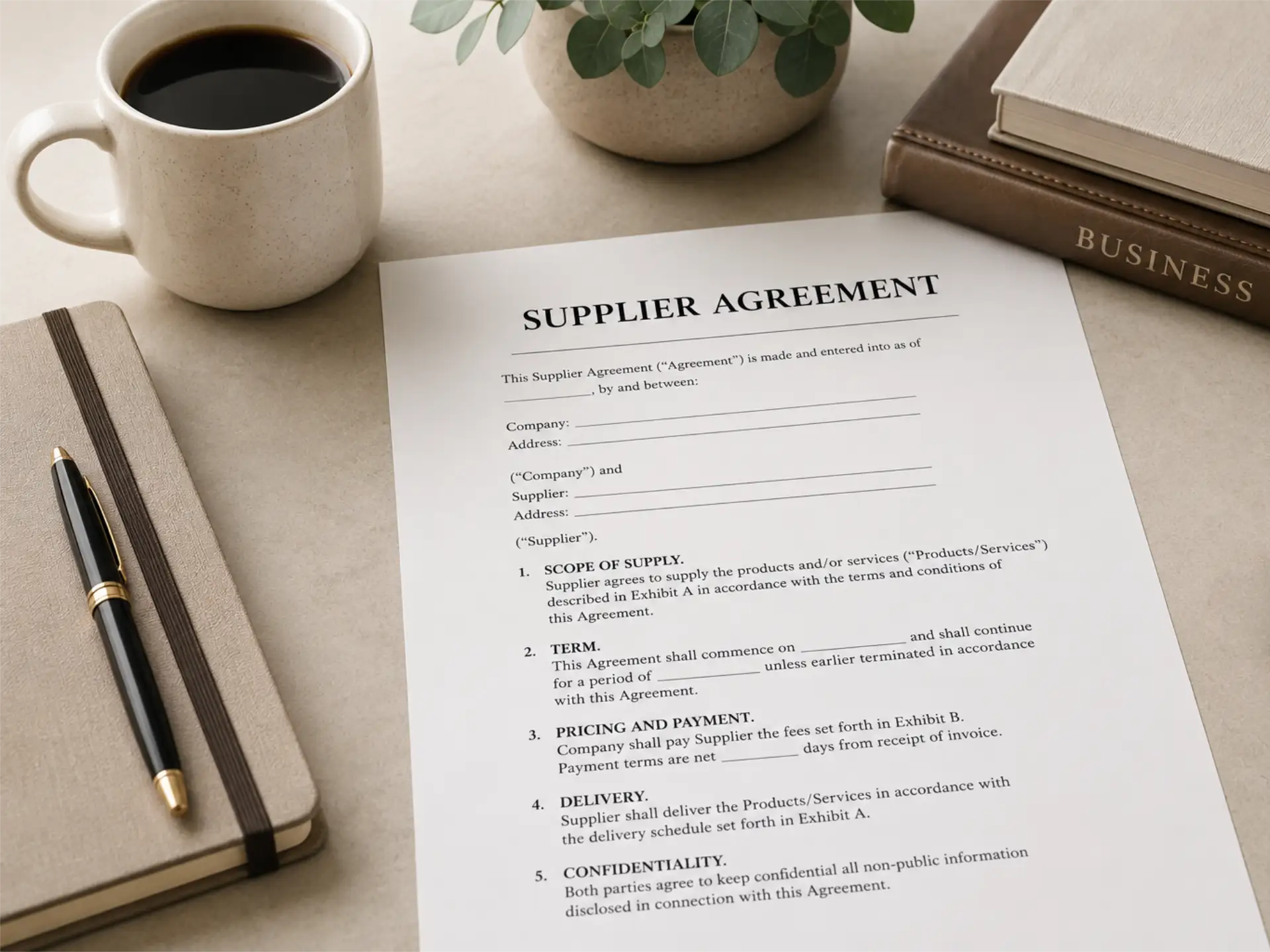

Part of the due diligence process in any business acquisition is reviewing each material contract to determine whether it contains assignment restrictions, what consent is required, and how that consent process needs to be timed relative to closing. Contracts that are silent on assignment are generally assignable under Florida law, but contracts with anti-assignment clauses require attention. Missing an assignment restriction — or failing to obtain required consent before closing — can leave the buyer without rights under a contract they thought they were acquiring, or expose the seller to liability for a contract they thought they had transferred. Getting the assignment process right is foundational to a clean closing. It is also one of the areas where having experienced transactional counsel makes the most practical difference.
Related FAQs
Why can’t I just use a contract template I found online?
Generic templates are not drafted for your specific business, your industry, or Florida law. They may include provisions that do not apply to you, omit protections you actually need, and use language that creates unintended results. A template is a starting point at best, not a substitute for a contract drafted or reviewed for your situation.
I received a contract from a vendor. Do I have to sign it as-is?
No. Vendor contracts are often presented as standard, but many terms are negotiable. Before signing any contract that involves significant financial exposure or a long-term commitment, having an attorney review it is a sound business decision.
What happens to existing contracts when a business is sold?
Contracts do not automatically transfer to a new owner. Each contract that is intended to survive the sale must be formally assigned, and in most cases the other party to that contract must consent to the assignment. Identifying which contracts require consent — and managing that process — is a critical part of any business sale.
I already signed something I am not sure about. Is it too late?
Not necessarily. Depending on the document and the circumstances, there may be options, renegotiation, amendment, or in some cases legal remedies. The first step is understanding what you signed and what your obligations are. Reach out to discuss your situation.
How do I know if my question falls within this firm’s practice area?
If your question involves a contract, a business structure, a transaction, or the day-to-day legal needs of running a business, there is a good chance it does. If it involves a lawsuit, an employment dispute, a criminal matter, or a real estate closing, it likely falls outside this firm’s scope. When in doubt, reach out; a brief conversation will clarify quickly.